
Camp Info
| Ages: | 14–18 |
| Type: | Day, Overnight |
| Month: | Summer |
| Gender: | Co-Ed |
| Setting: | City |
| Lodging: | Dorm |
| Academics: | Academics, Liberal Arts, Psychology |

West Los Angeles, CA, USA
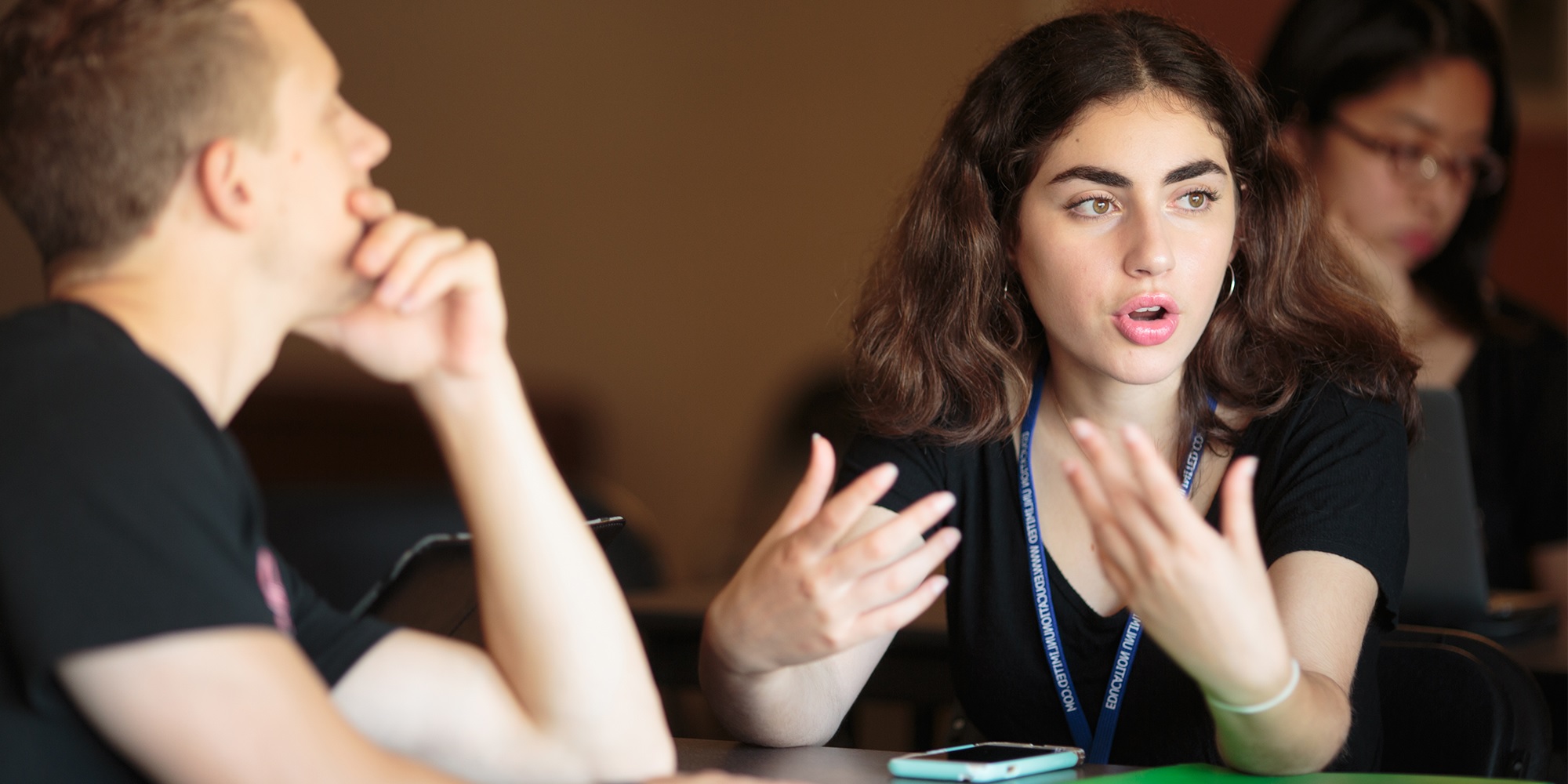
Psychology 9th–12th at UCLA offers high school students a broad introduction to the study of human behavior in an interactive, relevant format. The course looks at major areas of psychology, including personality, memory, development, sensation and perception, relationships, and group behavior. Rather than focusing on memorizing theories for their own sake, the program uses those ideas to help students better understand how people think, respond, and relate to one another in daily life.
The classroom experience appears to be designed to keep students engaged. The official description includes activities such as perceptual work with inversion goggles and optical illusions, taste-based sensory exercises, and memory games paired with strategies to improve recall. These kinds of exercises help make psychology visible and testable. Students are not just hearing about how the mind works. They are seeing how the same concepts show up in attention, memory, and decision-making.
Another notable part of the camp is its reflective side. Students use personality theories to reflect on their strengths, growth areas, and relationships, adding a personal layer that many teens may find especially engaging. Discussions, stories, current events, and hypothetical scenarios also help bring social psychology into a setting that feels up-to-date and familiar. This camp is likely to interest students in grades 9–12 who enjoy discussion, human behavior, and subjects that connect science directly to everyday life.
| Ages: | 14–18 |
| Type: | Day, Overnight |
| Month: | Summer |
| Gender: | Co-Ed |
| Setting: | City |
| Lodging: | Dorm |
| Academics: | Academics, Liberal Arts, Psychology |
You won’t be charged yet. The camp will contact you to confirm all terms first.
| Dates | Days | Price | Apply |
|---|---|---|---|
| Jul 5 - Jul 11, 2026 | 7 | $2,785 | |
| Jul 5 - Jul 11, 2026 | 7 | $3,285 |
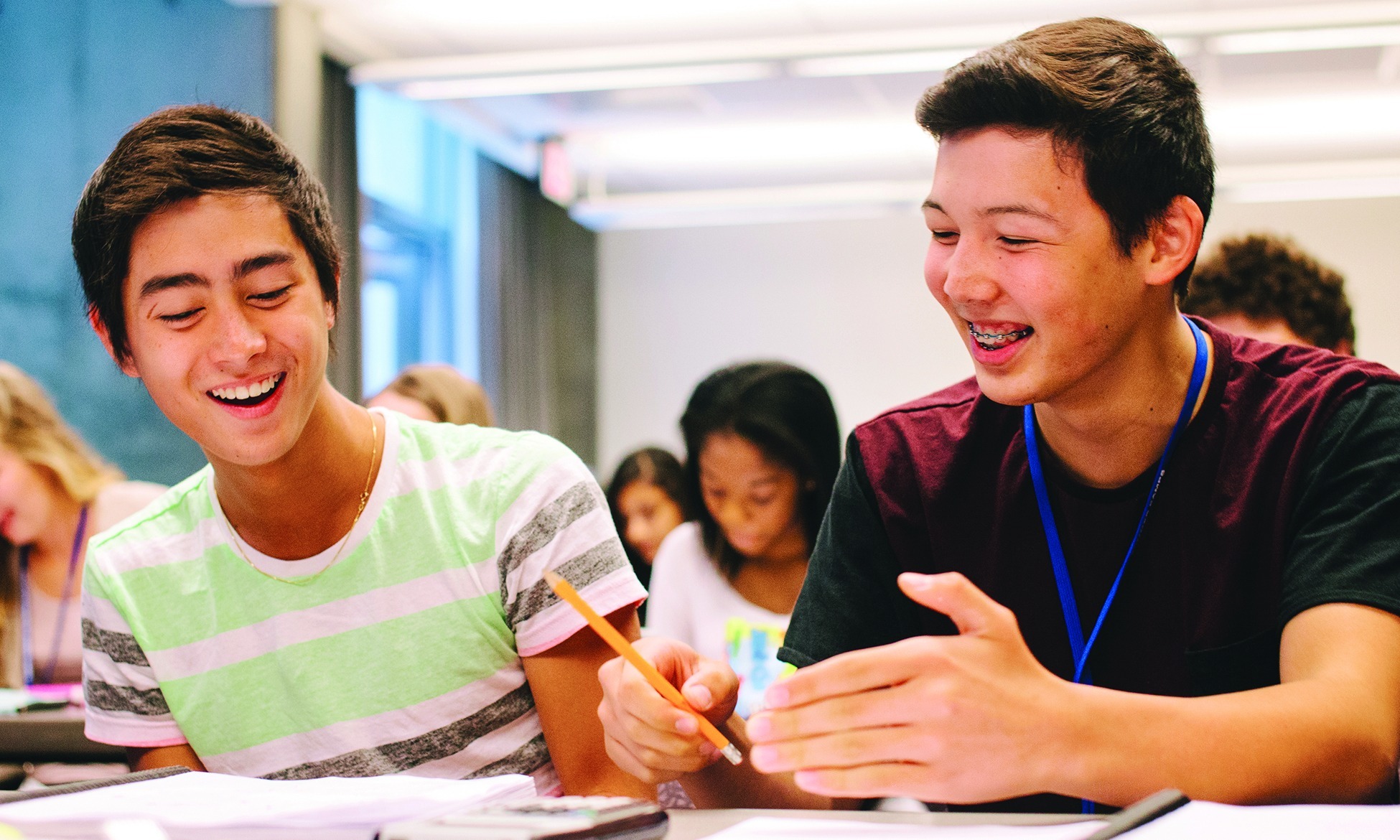
The week is built to make psychology feel active, not distant. Students work through a mix of demonstrations, short experiments, guided discussion, and practical exercises that help them explore how people think, interpret information, form relationships, and respond to the world around them. The subject stays broad, but the format keeps it grounded in situations teens can recognize from real life.
A lot of the learning happens through direct participation. Instead of only reading about perception or memory, students test those ideas through visual exercises, sensory activities, and recall challenges. The course also gives space for discussion and interpretation, so campers are not just collecting facts. They are thinking through what those facts mean and how they apply to everyday behavior.
The camp also leans into the human side of psychology. Students examine personality, development, and social interaction in ways that encourage both reflection and analysis. That makes the experience feel especially relevant to teenagers, since many of the questions naturally connect to identity, communication, and relationships.
The final part of the week brings everything together through an original project. Each student selects one psychological concept and turns it into an experiment they can design and carry out. That ending gives the program a clear sense of progress and helps students leave with more than just notes. They leave having built something of their own.
This camp offers both overnight and extended day formats, so students can either stay on campus or join the program for the full day and evening before heading home. The overnight option adds more of a residential college feel, while the extended-day version still keeps students involved in the full academic schedule.
Students who stay overnight live in campus housing with shared-room arrangements.
The setup is designed for teens, with organized room groupings, supervised residence life, and staff presence built into the housing environment. Same-gender roommate requests may be submitted, though the camp does not promise specific assignments.
The residential side of the program is meant to feel supportive rather than independent. Staff members are present in the dorm areas, senior camp leadership remains on site, and secure building access is part of the housing setup. For students who want more time to connect with peers and settle into the camp atmosphere, the overnight format offers a fuller community experience outside class hours.
Food is part of the daily structure and helps keep the program running as a full campus experience rather than a short academic session. Overnight students receive their daily meals on campus, while extended-day campers are included for the main daytime and evening meal portions that align with the program schedule.
Meals are served through the university dining service, which helps the day feel continuous. Students move from classes and activities into shared meals and then back into later sessions, so the social side of camp continues outside the classroom as well. That can make a big difference in a discussion-based camp where students are constantly exchanging ideas.
Families who need dietary accommodations should arrange those directly through campus dining services. The camp can help direct families to the right contact, but allergy-related or special meal planning is handled through the university dining system rather than inside the classroom program itself.
One of the most memorable aspects of this camp is how it turns psychology into something students can actively experience. Instead of treating the subject like a standard survey course, the program builds the week around participation through experiments, discussion, games, and self-reflection. That gives the camp a more personal and engaging feel.
Another recurring theme is the link between psychology and self-understanding. Students use personality theories to examine their strengths, growth areas, and relationships, giving the week a reflective side that goes beyond pure academics. That feature may stand out especially to teens who enjoy classes that help them think about themselves as well as the world around them.
The clearest finish-line tradition is the final project. Campers choose one concept from the course and develop and conduct their own psychology experiment. That gives the week a strong closing and helps students leave with something they created themselves, rather than just a set of notes or class memories.
Registration starts with a deposit.
A separate security deposit is also required before attendance is confirmed.
The remaining balance must be paid by the deadlines listed in the camp payment schedule.
Tuition is generally not refundable after enrollment unless a Tuition Protection Plan was purchased during registration.
The Tuition Protection Plan has to be added when applying and does not cover refunds once camp is already in session.
Roommate requests and housing preferences may be submitted, but the camp does not promise specific placements.


