
Camp Info
| Ages: | 3–8 |
| Type: | Day |
| Month: | Summer |
| Gender: | Co-Ed |
| Setting: | City |
| Arts: | Arts, Fine Arts, Arts & Crafts, Dance, Ballet, Choreography |

Pasadena, CA, USA
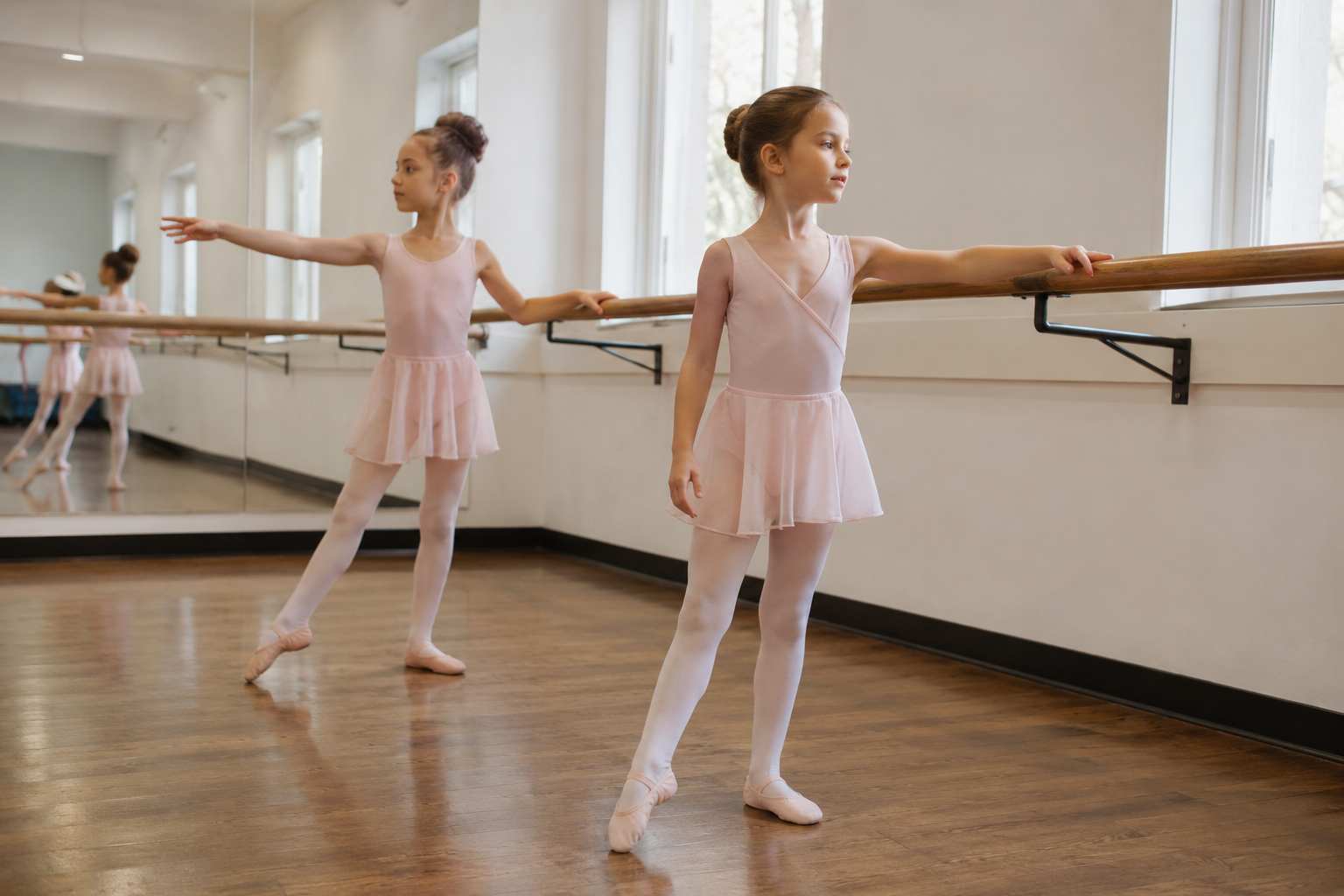
Tutu Camp in Pasadena is a ballet-themed day camp designed to introduce children to dance through imagination, storytelling, and creative movement. Rather than focusing on strict technique, the camp uses classical ballet stories as the foundation for each session. Campers explore well-known tales such as Swan Lake, Sleeping Beauty, The Firebird, and Cinderella, turning each day into an active storybook adventure.
A typical camp day may include a beginner-friendly ballet class, movement games inspired by story characters, creative projects connected to the theme, and group activities that encourage collaboration and confidence. Children are invited to move freely, express themselves, and experience ballet as something joyful and playful rather than formal or intimidating.
Campers do not need any previous ballet experience to participate. The program works best for children who enjoy imaginative play, music, dress-up, and active movement. Because camp is a drop-off program and children are expected to manage basic self-care tasks like using the restroom independently, it is generally a good fit for kids who are comfortable separating from caregivers and following group routines.
| Ages: | 3–8 |
| Type: | Day |
| Month: | Summer |
| Gender: | Co-Ed |
| Setting: | City |
| Arts: | Arts, Fine Arts, Arts & Crafts, Dance, Ballet, Choreography |
You won’t be charged yet. The camp will contact you to confirm all terms first.
| Dates | Days | Price | Apply |
|---|---|---|---|
| Jun 22 - Jun 26, 2026 | 5 | $350 | |
| Jun 29 - Jul 3, 2026 | 5 | $350 |
Tutu Camp’s activities program blends dance, storytelling, and creativity into a playful daily rhythm. Ballet is introduced as a form of expression rather than performance, allowing children to explore movement through characters and stories instead of drills or strict routines. Each camp session is inspired by a classical ballet, giving the week a clear theme and imaginative structure.
Children participate in ballet classes adapted for beginners, along with movement games that reflect the story’s characters and moods. Creative time is built into the day, with campers decorating costumes and creating simple elements tied to the ballet theme. These projects often feed back into imaginative play and group storytelling.
Many sessions include a collaborative element where campers help create a simple production inspired by the story they’ve explored. The focus is on participation, creativity, and confidence rather than perfection.
Tutu Camp is a day camp with no overnight option. Campers are dropped off at the studio at the start of the day and picked up at the end of the session. Caregivers do not stay inside during camp hours.
The camp takes place primarily indoors in a dance studio setting, with structured periods for movement, creative activities, and group play. When weather allows, campers may also spend time outdoors as part of the daily schedule.
Families are encouraged to send a change of clothes and appropriate outdoor footwear so children can comfortably transition between indoor dance activities and outdoor time. Campers should arrive dressed for movement, ready to participate in active dancing, imaginative games, and hands-on projects throughout the day.
Meals are not provided as part of the camp program. Families should plan to send food with their child each day.
Campers are typically expected to bring a lunch and/or snack depending on the length of their camp session. Packing food from home allows families to choose items that fit their child’s preferences, dietary needs, and allergies.
A practical choice is a simple, easy-to-open lunch along with one snack that doesn’t require much assistance. A reusable water bottle is also recommended to keep campers hydrated during active movement and dance time.
Since camp days include physical activity and outdoor play when possible, families may also want to include an extra set of clothes in the camper’s bag.
Tutu Camp operates as a drop-off program, and caregivers do not remain inside once camp begins. This helps maintain a consistent environment for all campers and supports smooth group routines.
Children are expected to be able to undress and use the toilet independently. Staff can assist as needed, but campers should be comfortable managing basic restroom tasks on their own.
Camp groups are not automatically separated by age. In some activities, staff may divide campers into smaller groups to better match developmental levels and support engagement.
For days that include outdoor time, families are asked to provide appropriate footwear and clothing so campers can participate safely and comfortably.
Families are asked not to bring children to camp if they are sick or showing symptoms of illness. This helps protect the health of all campers and staff.
In the event of an emergency, families authorize that their child may receive medical treatment from a qualified professional. It’s recommended that caregivers share any relevant health information during registration, including allergies or sensitivities that could affect participation.
Camp activities are active and movement-based, so sending children well-rested, hydrated, and dressed in comfortable dancewear supports a positive experience. Staff aim to create a caring, supportive environment where children feel safe trying new movements and expressing themselves creatively.
Storytelling is at the heart of Tutu Camp. Each session centers around a classical ballet story, and children are encouraged to step inside that world through dance, movement, and play. Campers may become characters from the story, act out scenes through motion, and help shape how the tale unfolds.
Creative traditions also play a key role. Children spend time decorating costumes and creating simple elements that connect to the week’s ballet theme. These creations often become part of imaginative play or a simple group performance.
The camp experience often builds toward sharing what campers have explored during the week, giving children a sense of accomplishment and pride in what they have created together.


