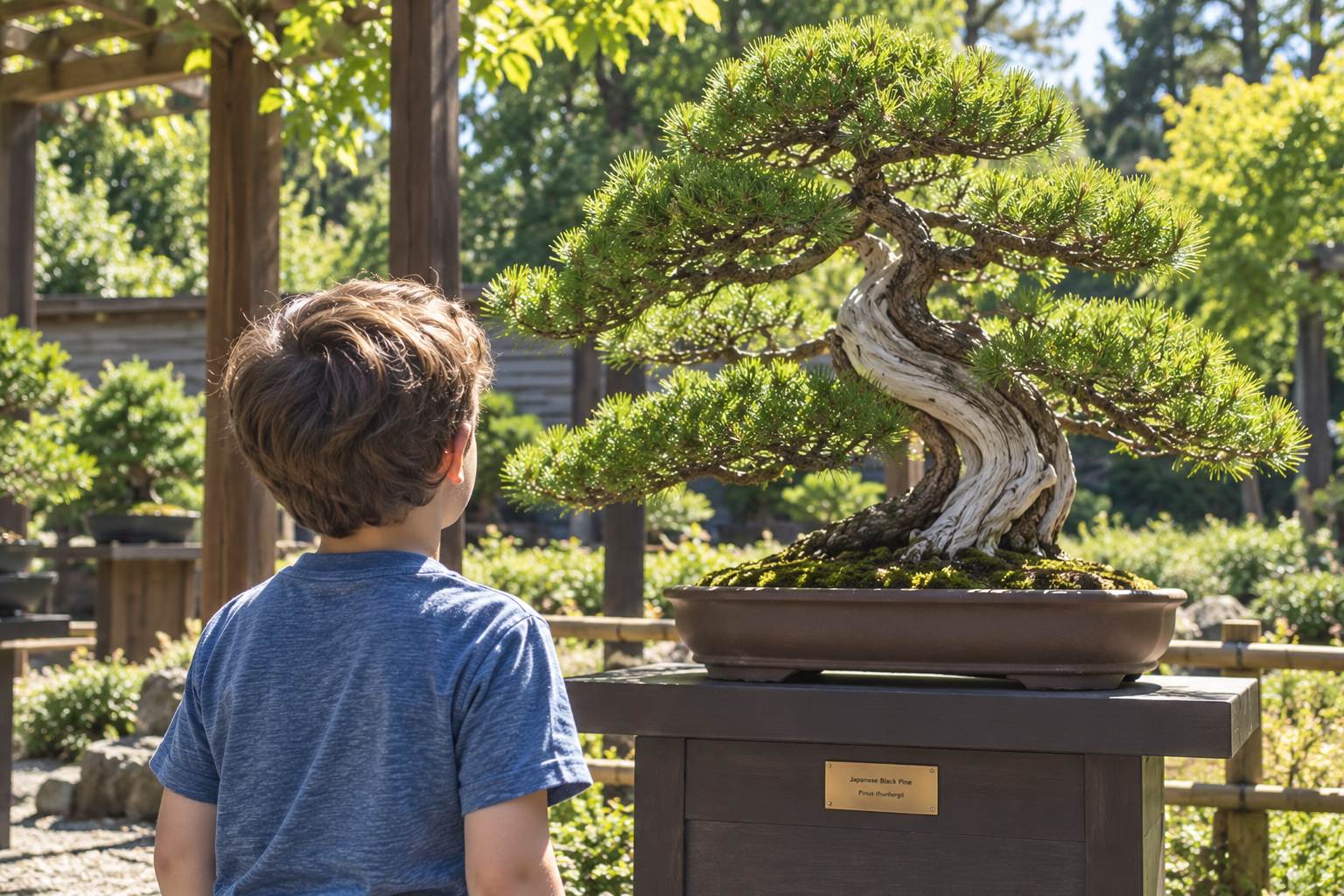
Fold a sheet of paper into origami, study life around a koi pond, or turn recycled materials into a new piece of art. At The Japanese Friendship Garden and Museum Camp in San Diego’s Balboa Park, hands-on projects connect Japanese cultural traditions with science and nature. The garden’s paths, ponds, and plants become part of the learning setting, alongside indoor spaces for making and experimenting. Designed for students in grades 1–8, the cultural camps group participants by grade so projects suit different learning stages.
One camp session might have younger artists making Japanese fans, flower arrangements, or folded-paper creations. Older students can explore techniques such as calligraphy, ink painting, paper-making, and pinhole cameras. Science activities focus on compost, soil, bamboo, earthworms, and koi, giving campers concrete subjects to investigate as they connect outdoor observations with hands-on activities. Classes move between creative work and hands-on exploration rather than focusing on a single subject. Specific projects depend on the grade group and program.
For students in grades 3–5, a separate STEAM in NIWA program takes a different route through the garden. Agriculture and geology activities connect to engineering and virtual reality, with showcase projects at the end. All offerings follow a five-day, half-day format, with morning or afternoon sessions depending on the group. Each group is capped at 20 participants, and activities take place in both indoor and outdoor spaces. These options may suit children who love art, are curious about the natural world, or enjoy building and testing ideas. Families looking for a shorter day can choose a program based on their child’s grade and interests.