
Camp Info
| Ages: | 5–10 |
| Type: | Day |
| Gender: | Co-Ed |
| Setting: | Farm, City |
| Adventure: | Adventure, Nature, Farming |
| Academics: | Academics, Science, Ecology, Career, Culinary |
| Arts: | Arts, Fine Arts, Arts & Crafts |
| Time: | 08:30 AM - 04:00 PM |

San Diego, CA, USA
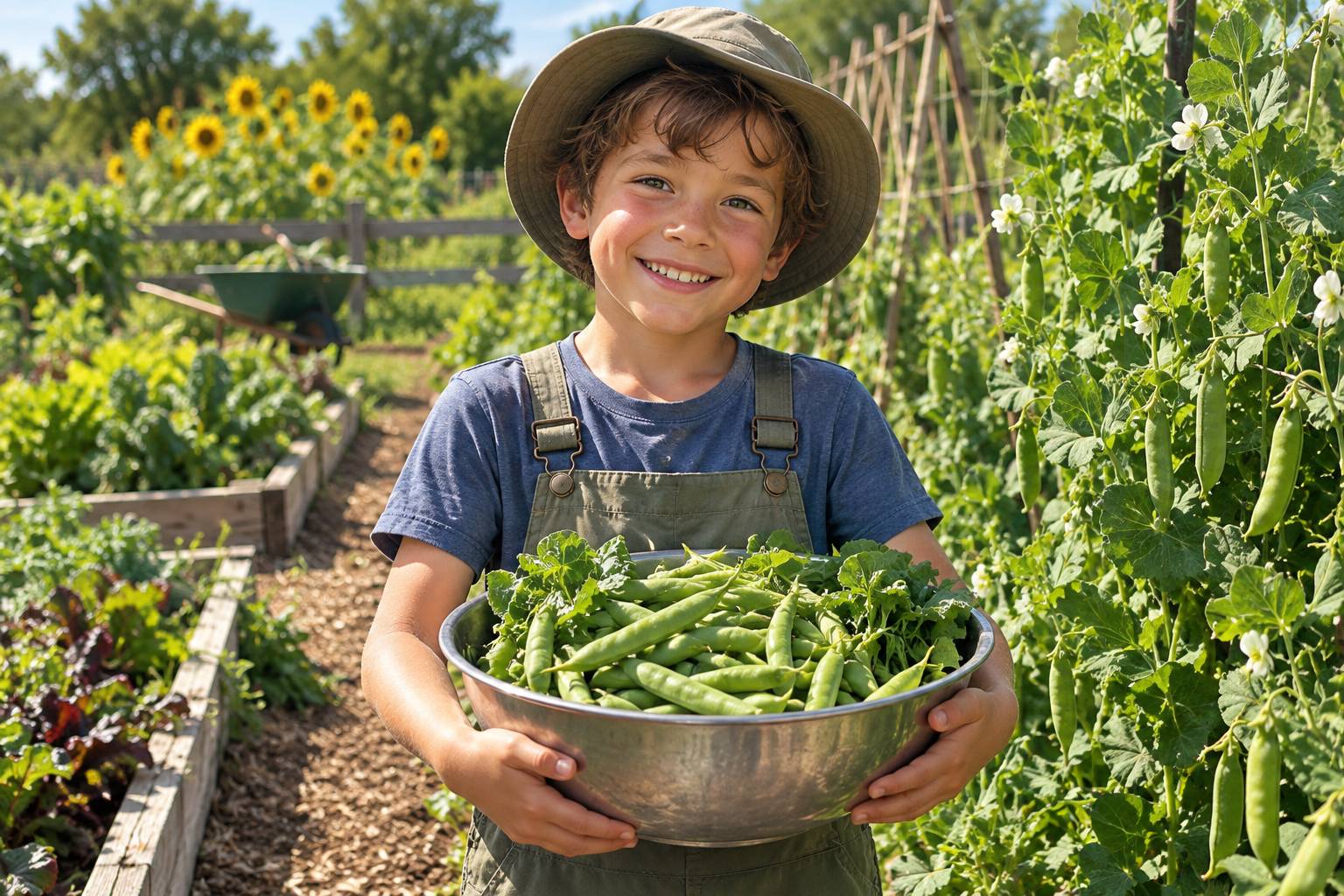
Hands-on farm exploration shapes the day at MAKE Farm Camp. Campers ages 5–10 move between garden-based discovery, food projects, science, games, art, and time outdoors. A sample day includes farm scavenger hunts, compost investigations, DIY snacks, science experiments, nature walks, creative projects, and group circles. The program uses the farm as a place to notice birds, bugs, plants, soil, and other living systems while giving children many ways to learn by doing.
The camp’s goals center on curiosity, connection with nature, community, and creativity. Children are encouraged to observe ecological processes, explore how the natural world works, make friends, and take part in flexible hands-on activities. Cooking, art, journaling, and movement all appear in the program, alongside opportunities to get messy with plants, soil, paint, and other materials in a supervised camp setting. Food projects and garden activities also connect everyday making with the farm environment.
The published day runs from 8:30 AM to 4:00 PM, with early drop-off activities leading into an opening circle and a full sequence of farm, food, science, play, and art experiences. The program is a strong fit for children who enjoy active learning, nature, making things, and switching between structured group activities and open-ended exploration.
| Ages: | 5–10 |
| Type: | Day |
| Gender: | Co-Ed |
| Setting: | Farm, City |
| Adventure: | Adventure, Nature, Farming |
| Academics: | Academics, Science, Ecology, Career, Culinary |
| Arts: | Arts, Fine Arts, Arts & Crafts |
| Time: | 08:30 AM - 04:00 PM |
You won’t be charged yet. The camp will contact you to confirm all terms first.
You can still submit a quick request to let the camp know you’re interested.
The program follows a full-day rhythm that moves campers through short, varied blocks rather than one single activity. The published sample day begins with early drop-off and a light activity, followed by an opening circle. From there, campers rotate through a farm activity, a DIY snack project, group games and play, and science exploration before lunch. The afternoon includes DIY juice, a nature walk, an art activity, and a closing circle before pick-up.
Farm activities include scavenger hunts, compost investigations, and garden exploration. Science is framed as experimentation and discovery, while creative time can include nature scrapbooks, arts and crafts, or vegetable dyes. Food projects such as salsa, focaccia, dips, dressings, mint lemonade, jamaica, and watermelon agua fresca give campers another hands-on way to work with ingredients and processes. Group games and movement add another change of pace during the day.
The broader goals connect these activities to curiosity, nature, community, and creativity. Campers are encouraged to observe birds, bugs, plants, soil, decomposition, migration, and other ecological processes. The program also uses cooking, art, journaling, and movement to support different interests and learning styles while keeping the day active and varied.
| Time | Activity |
|---|---|
| 8:30 AM | Early drop-off and light morning activity |
| 9:00 AM | Opening circle |
| 9:15 AM | Farm activity |
| 10:00 AM | DIY snack |
| 10:45 AM | Group games and play |
| 11:15 AM | Science |
| 12:00 PM | Lunch and DIY juice |
| 1:00 PM | Nature walk |
| 2:00 PM | Art activity |
| 3:30 PM | Closing circle |
| 4:00 PM | Pick-up |
Food is part of the hands-on camp day. The sample schedule includes a DIY snack activity with examples such as salsa, focaccia bread, dips, and dressings. At midday, lunch is paired with a DIY juice activity, with examples including mint lemonade, jamaica, and watermelon agua fresca. These food projects are presented as camp activities alongside farm, science, play, nature, and art.
MAKE describes regular sanitation of high-touch surfaces used at camp, including tables, gardening tools, and art materials. Campers wash their hands before and after eating, harvesting, and using the restroom. The program distinguishes normal farm-and-art messes such as mud, plants, and paint from sanitation practices intended to reduce exposure to harmful germs.
MAKE Farm Camp lists educators with backgrounds in environmental education, agriculture, farming, youth programming, and hands-on learning. Education Programs Manager Caroline Feeney has more than 10 years of experience in youth environmental education, is a certified Wilderness First Responder, has CPR/First Aid training, and holds a master’s degree in Social Innovation. Program Assistant II Zahra Ahmed lists First Aid and CPR certifications and experience volunteering with children. Farm and Gardens Manager Kelly Verakis brings an agriculture-science and regenerative-farming background to the program.
Families with camp questions are directed to the MAKE Education Programs Manager. The camp page also provides a dedicated contact route for additional questions and concerns about the program.
The published camp day runs from 8:30 AM to 4:00 PM. Early drop-off begins with a light morning activity, and the sample day ends with a 4:00 PM pick-up. MAKE Farm is in San Diego’s Mission Valley area, next to the Trolley Station Plaza and close to River Park. The camp page links directly to the farm’s Google Maps location, and the official farm page identifies the site as accessible from the nearby trolley station area. The program schedule includes an opening circle soon after drop-off and a closing circle before pick-up.


