
Camp Info
| Ages: | 7–15 |
| Type: | Day |
| Gender: | Co-Ed |
| Setting: | City |
| Arts: | Arts, Fine Arts, Ceramics, Pottery, Painting, Arts & Crafts |
| Time: | 09:00 AM - 12:00 PM |

La Jolla, CA, USA
Clay takes shape on a pottery wheel, while drawings and paintings grow from children's own ideas at Summer Art and Clay Camp. Held at Art Scōl in La Jolla, the program brings together two separate creative options: Clay Camp for hands-on ceramic work and Art Camp for drawing, painting, and visual storytelling. Both use individual instruction, so projects can reflect each student's experience, interests, and developing skills.
In Clay Camp, participants try wheel throwing and build forms by hand using pinch pots and coils. They learn how to join pieces with slip, decorate surfaces with carving, stamping, and molded details, and finish ceramic work with underglazes before firing. A separate air-dry clay relief project is painted with acrylics and can go home right after camp. Fired pieces are collected later.
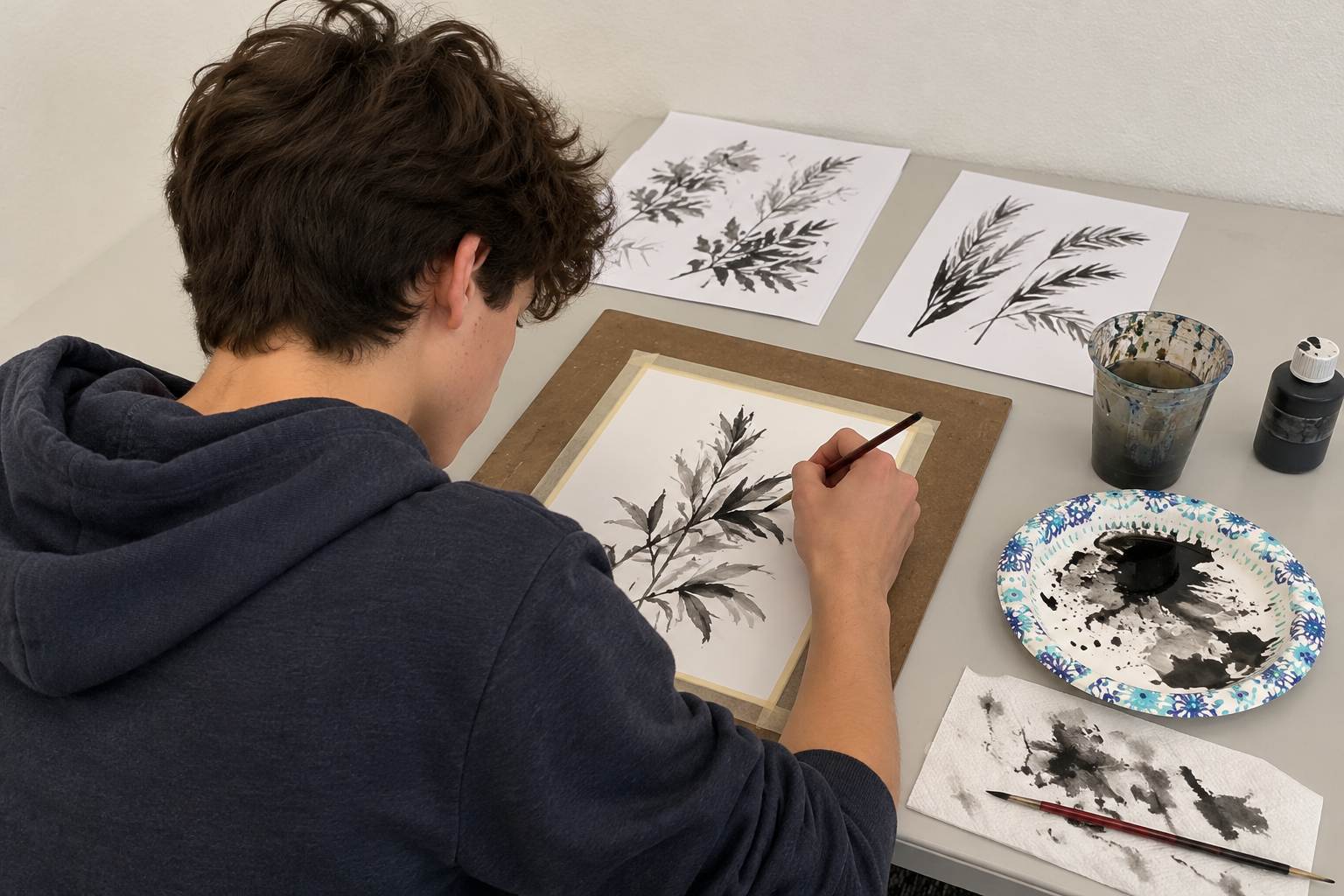
Art Camp takes a different route through the visual arts. Children choose subjects and media for their opening projects, illustrate a short story with watercolor, and arrange personal objects for an observational still life. They work with color, texture, composition, and visual sequence while making their own artistic decisions. The program welcomes elementary and middle school students, including those who are new to art and those who already enjoy making it. Each camp takes place during morning studio hours, keeping the focus on making and exploring art.
| Ages: | 7–15 |
| Type: | Day |
| Gender: | Co-Ed |
| Setting: | City |
| Arts: | Arts, Fine Arts, Ceramics, Pottery, Painting, Arts & Crafts |
| Time: | 09:00 AM - 12:00 PM |
You won’t be charged yet. The camp will contact you to confirm all terms first.
You can still submit a quick request to let the camp know you’re interested.
The camp has two distinct tracks, each held at the Art Scōl studio during morning hours. Clay Camp focuses on shaping and finishing ceramic artwork. Campers learn wheel throwing and hand-building methods such as pinching and coiling, then practice attaching clay pieces with slip. They explore carved, stamped, and molded surface textures. One project uses air-dry clay to create a relief piece finished with acrylic paint, while other works receive underglazes and preparation for kiln firing during the final class.
Art Camp follows a five-day project sequence. On the first two days, students choose from a landscape, an animal portrait, or a plate of treats and work with oil pastels, acrylics, or colored pencils. These opening projects introduce art concepts and help instructors understand each student's preferred subjects and current skills. On day three, campers use watercolor washes, layers, and textures to make a short illustrated narrative.
On days four and five, Art Camp turns toward observation. Students bring a few everyday objects and arrange them for a contemporary still-life project, exploring composition, value, and balance. They can choose their medium while developing the finished work. Across both tracks, instructors adapt guidance to the individual rather than requiring everyone to produce identical artwork. The overall emphasis is on practical techniques, experimentation, and personal artistic choices.
Camp participation requires a completed waiver before attendance. The waiver instructs families to arrive on time and arrange prompt pickup of minor participants when the scheduled session ends. Children are also asked not to share food, drinks, or personal belongings with other students or staff.
The participation form includes a communicable-illness policy. Families agree not to attend when the participant has specified symptoms of illness or when the waiver's recent COVID-19 diagnosis conditions apply.
The required participation waiver includes space for families to list allergies, special requests, or other details about the attendee. It also includes statements about communicable illness and symptoms that may prevent attendance. These requirements apply to participation in Art Scōl programs.
Art Scōl founder Jelena Gazivoda develops art curricula and leads seasonal camps. She holds an MFA in Ceramics from the State University of New York at New Paltz and has taught ceramics, painting, drawing, and other visual arts subjects at the college level. Her training includes painting, drawing, and traditional visual art techniques. The studio's teaching approach combines technical foundations with attention to each student's ideas, interests, and skills.
Both tracks meet at the Art Scōl studio from 9:00 AM to noon on the published camp days. A waiver must be completed before a child attends, and minor participants should arrive on time and be picked up promptly at the scheduled finish. Art Camp participants bring a few everyday personal objects for their still-life work later in the week.
Air-dry relief projects can be taken home directly after camp. Other Clay Camp pieces prepared for kiln firing are available for pickup about one to two weeks after the session ends.


